Ben Tre 6
Chau Thanh grove
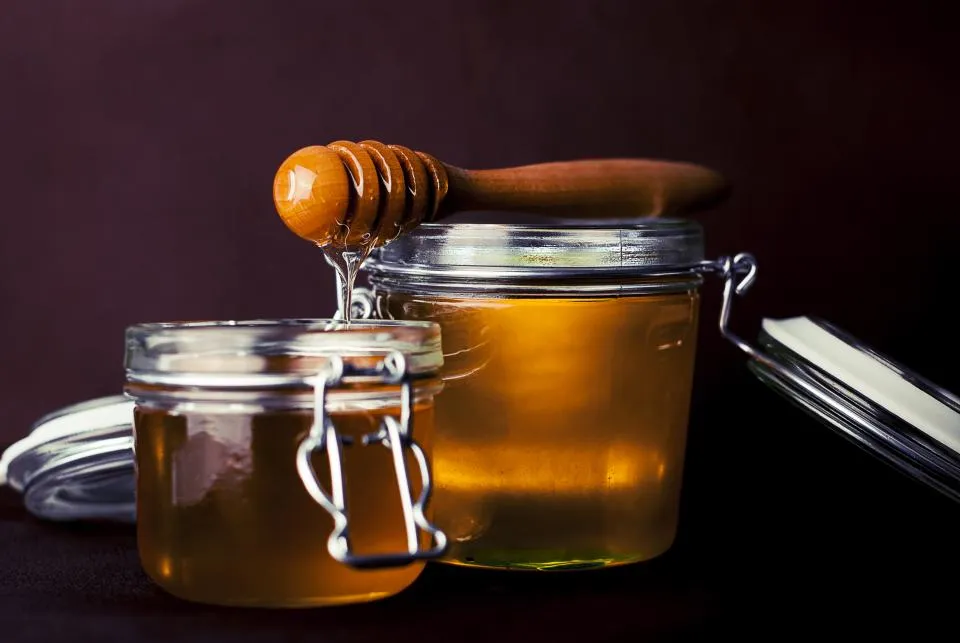
PressedCoconut honey from Ben Tre

Ben Tre and Tra Vinh, Vietnam
Coconut growers in Ben Tre and Tra Vinh press sap into coconut honey in small drums. We record each drum's grove, pressing day and filter batch, so a buyer can check the honey is from palm sap and not sugar syrup.
Ben Tre 6
Chau Thanh grove
PressedTra Vinh 3
Cau Ngang grove
FilteredBen Tre 9
Giong Trom grove
ShippedTra Vinh 5
Cau Ke grove
PressedCane syrup is easy to mix in before a drum is sealed. Each batch carries three lines that make that harder to hide.
Coconut honey is boiled down from the sap of Ben Tre palms. Each filter batch keeps the grove and the pressing day, so the jar on an export shelf still points to the trees it came from.
Are grove owners named?
The grove is named. The owner's details stay with the cooperative.
How is cane syrup detected?
A lab test for added cane sugar goes on the batch line, and importers may order a second sample.
Does this replace the export label?
No. It sits behind the label with the grove and the test result.